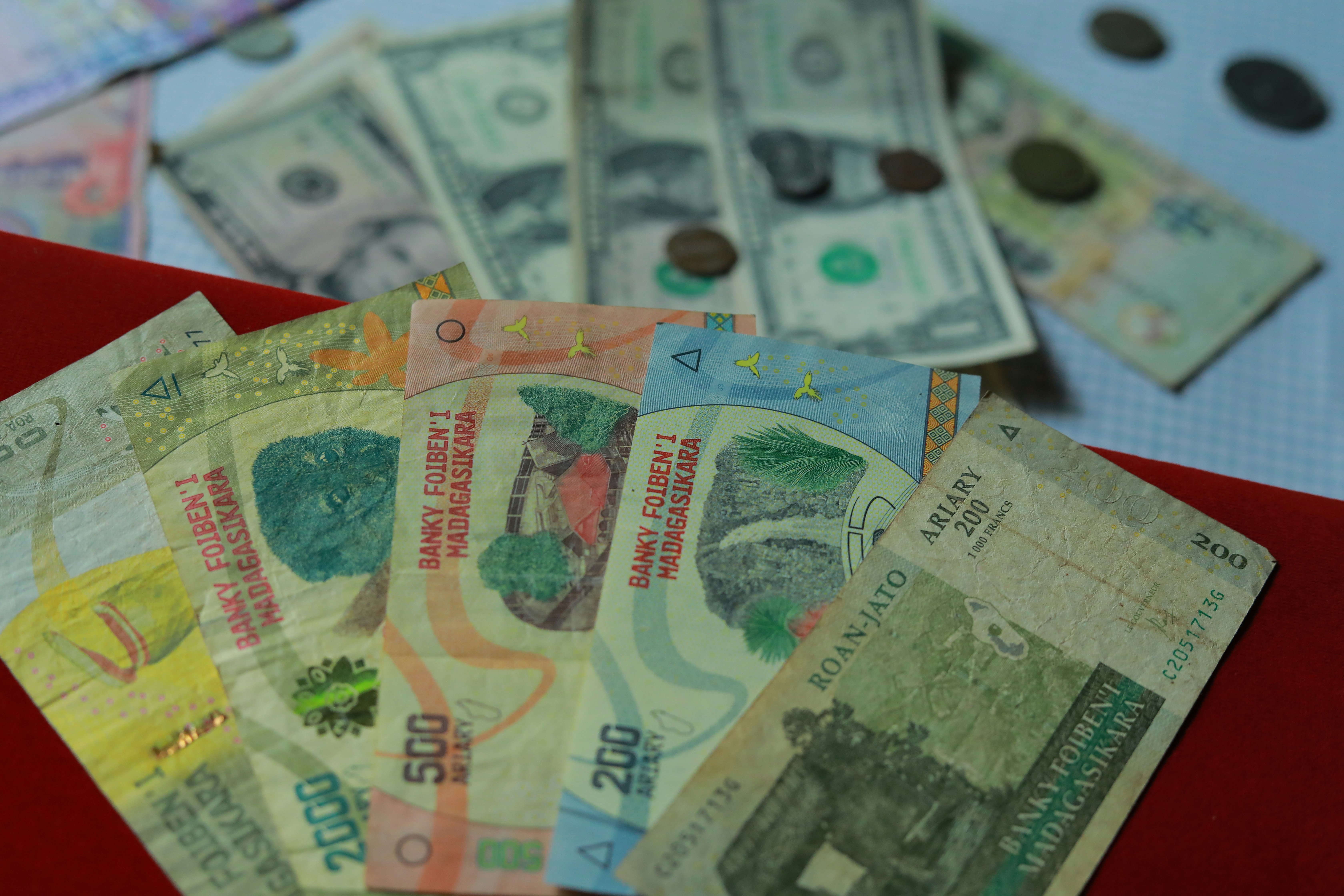
There are a number of reasons why some currencies are more stable than others.
One reason is that some currencies are backed by gold, while others are not. Another reason is that the economic conditions of the countries issuing the different currencies can vary greatly. For example, if a country has high inflation levels, its currency will likely be less stable than a country with low inflation levels.
What is a currency, and what are its purposes
Currency is a medium of exchange used all around the world. It has been around since ancient times and is still present in our modern life. But what exactly is a currency, and what are its purposes? Let’s answer these questions and more in this comprehensive guide to currency.
What Is Currency?
Currency refers to any form of money accepted as legal tender for goods and services in a given country or region. Common forms of currency include coins, bills, checks, credit cards, debit cards, and digital currencies such as Bitcoin.
Why Do We Use Currency?
The most important purpose of currency is to facilitate trade between people by providing an agreed-upon medium of exchange. Without currency, people would have to barter goods or services with each other in order to make purchases or payments. This would be both time-consuming and inefficient. The currency also helps us keep track of our financial transactions and allows us to store wealth over time.
The different types of currencies and how they work
Fiat Currency
Fiat currency is legal tender created and backed by governments or central banks. This type of currency is typically used in most countries around the world, including the United States dollar, the Euro, and the British pound. Fiat currency is usually printed on paper or coins with a fixed value based on its issuing country’s economic stability. For example, if a country experiences a financial crisis, its fiat currency may become weaker than other currencies.
Cryptocurrency
Cryptocurrencies are digital forms of money that operate independently from any government or central bank control. Bitcoin is the most well-known cryptocurrency, but there are hundreds more out there. Cryptocurrencies use encryption techniques to ensure secure transactions and control the creation of new units. They are also decentralized, meaning no single entity controls their supply or value. This makes them attractive options for investors looking for alternatives to fiat currencies.
Commodity Currency
Commodity currencies are forms of money backed by tangible goods or commodities such as gold, silver, or oil. These currencies have been used throughout history to hedge against inflation since governments or central banks can’t easily manipulate their value. However, commodity-backed currencies may be subject to volatile price fluctuations if their underlying commodities experience drastic changes in supply and demand conditions.
How volatility affects a currency’s stability
Volatility is an increasingly important factor when evaluating the stability of a currency. It can influence a wide range of market opportunities, both in the short and long term. Volatility can also dramatically affect investor sentiment as it pertains to confidence and trust in the markets. When volatility is too high, huge swings in exchange rates occur, resulting in an uncertain environment where investors may be reticent to invest or even withdraw their funds, affecting foreign currency demand and supply. Therefore, maintaining acceptable levels of currency volatility is key to sustaining that particular currency’s stability and attractiveness. If left unchecked, large fluctuations could become dramatic enough to derail an economy and undermine efforts for economic growth.
The factors that influence the volatility
There are a variety of factors that can influence currency volatility, including economic growth and geopolitical tensions. Let’s examine what causes currency volatility and why it is so important.
Interest Rate Differentials
One of the most significant drivers of currency volatility is interest rate differentials between countries or currencies. When one central bank raises its interest rates, it encourages investors to move into that country’s currency, driving its value and increasing its demand relative to other currencies. This can create currency volatility as traders try to capitalize on the higher interest rates by buying and selling the applicable currencies.
Geopolitical Tensions
Geopolitical events can also cause currency volatility as investors react to news about political developments in different countries. For example, if there is unrest in one country or increased tension between two countries, investors may be less willing to invest in those countries’ currencies due to fear about the stability of their economies. This can lead to sharp swings in the value of those currencies as investors buy and sell them based on their perception of the risk associated with each country.
Economic Growth
The state of a country’s economy also plays a role in influencing currency volatility. If a country has strong economic growth or positive GDP numbers, this can increase investor confidence and attract more capital into that country’s economy – leading to an appreciation of its currency relative to other currencies. On the other hand, if a country has weak economic growth or negative GDP numbers, this can lead investors away from that currency and towards others – causing its value to decrease relative to other currencies.
Examples of stable and unstable currencies
Economists and central banks from all over the world are focused on how to preserve a currency’s value. From everyday citizens to large-scale investors, knowing which currencies are stable and prone to drastic fluctuations can tremendously affect wealth and fiscal security. While each nation has its formula for financial stability, some classic examples of strong versus weak currencies exist. For example, countries such as Switzerland and Norway tend to show more strength in their currency due to robust resources and sound fiscal policies. While emerging markets with high debts or limited resource reserves often show weaker currencies that external factors can heavily influence. While it is impossible to predict a particular currency’s future, understanding the underlying strengths and weaknesses is critical for people looking to manage their finances successfully.
To maintain a stable economy, a country needs to have a currency that is not prone to large fluctuations. Various factors can influence currency volatility, but the most significant ones are interest rate differentials, geopolitical tensions, and economic growth. Each of these drivers can cause sharp swings in a currency’s value as investors buy and sell it based on their perception of the risk associated with each one. It is important for people looking to manage their finances successfully to understand different currencies’ underlying strengths and weaknesses.